
Why staying in central locations ruin real travel experiences. Calcutta Backpackers Kolkata | Affordable AC Dorms near Central Hubs
Calcutta Backpackers
Author
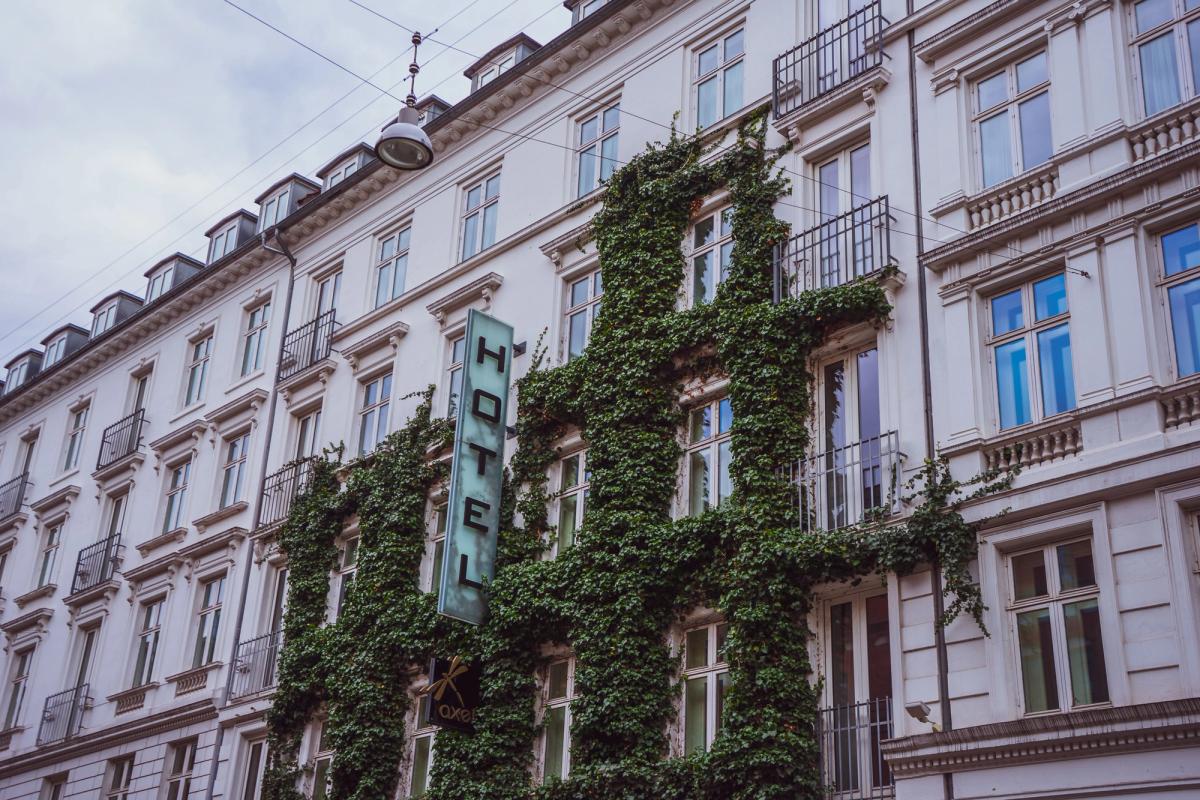
Every booking platform conditions us toward a single, unquestioned instinct: search the map, zoom in on the historic core, and drop a pin as close to the monuments as the budget allows. It feels like the smart logistical play. A central base promises effortless walking, postcard views outside the lobby, and the illusion of maximizing limited vacation hours.
In practice, anchoring yourself strictly in the geographic epicenter does the exact opposite. It seals you inside a sterile, hyper-commercialized perimeter designed specifically for transience—quietly draining the texture, spontaneity, and soul out of the journey.
The modern city center in almost any major destination has ceased to function as a living neighborhood. When street commerce pivots entirely to capture tourist capital, the real local ecosystem hollows out. The small, essential community fabric—the independent cobblers, neighborhood tea stalls, family-run dry goods merchants, and quiet tailoring nooks—gets priced out, replaced by a monotonous monoculture of luggage storage lockers, overpriced souvenir emporiums, and fast-casual chains.
A while ago, a traveler staying at Calcutta Backpackers came down to the common room visibly frustrated, holding a battered duffel with a burst main zipper. In his mind, the trip logistics were derailed: he assumed he would have to spend his afternoon hunting down a modern shopping mall and shelling out significant money for a replacement bag.
Instead of pointing him toward a commercial retail strip, we sent him three minutes down the road to a tiny lane where a local bag repairer works out of an open-front wooden stall. Forty minutes and a fraction of the cost later, his original bag was re-stitched with heavier thread and a reinforced runner, better than before. The traveler did not just save money; he spent half an hour watching a master craftsman at work over a cup of street tea, engaging in a slice of daily neighborhood life he would never have encountered if he were tucked away in an insulated downtown business hotel.
That is the quiet magic of the periphery. Real culture does not sit frozen in monument plazas; it moves through the working-class lanes and residential quarters. The moment you shift your base a few transit stops away from the tourist core, the entire dynamic of a trip transforms.
Friction becomes the great teacher. When you stay outside the tourist bubble, you are forced to learn how a city actually breathes. Your morning begins not with the clatter of tour group luggage on cobblestones, but with the clink of porcelain cups, the whistle of a tea kettle, and the chatter of regulars buying their morning newspapers. You learn which bus route gets crowded at eight in the morning, how the metro token counters operate, and which alleyway leads to the best seasonal produce.
This commute fundamentally restores perspective. Historic landmarks regain their true stature when visited deliberately rather than taken for granted as everyday wallpaper outside your window. After spending the afternoon exploring iconic sites, retreating to an authentic residential quarter provides an essential reset. You return to a place where dinner is served at the local hour, tables are filled with multi-generational families, and the food relies on seasonal ingredients to please demanding neighborhood regulars rather than a revolving door of transient visitors.
There is also a vital economic reality to where you drop your bags. Central tourist districts are overwhelmingly dominated by corporate hospitality conglomerates and speculative rental operators that price long-time residents out of their homes. Spending your lodging, dining, and daily repair budget in lived-in neighborhoods acts as direct economic participation. It channels revenue straight to the street vendors, corner repair shops, and family-run kitchens that keep a neighborhood self-sufficient and alive.
Trading the tourist center for a residential quarter does not mean abandoning comfort or convenience. It simply requires trusting local transit and seeking out spaces anchored by real communities. Visit the same tea stall or corner vendor three mornings in a row, and you cease being an anonymous consumer passing through—you become a temporary neighbor, woven quietly into the rhythm of the city.
Travel was never meant to be frictionless consumption. Stepping off the central grid strips away the staged performance, leaving you with the raw, grounding, and unforgettable reality of life as it is actually lived.